


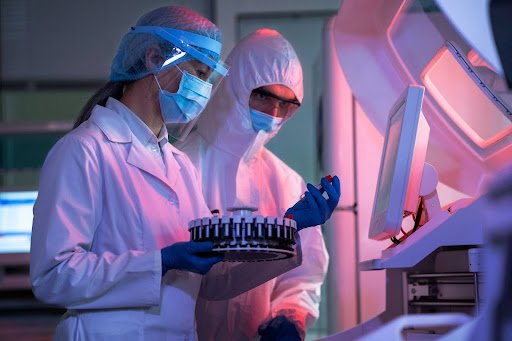
Protein purification is one of the most critical steps in biopharmaceutical development. As biologics, monoclonal antibodies, recombinant proteins, and therapeutic enzymes continue to grow in demand, purification workflows must become faster, more selective, and more scalable. Over the years, several breakthrough technologies have transformed how scientists isolate high quality proteins with improved efficiency and reduced cost.
This blog highlights the major innovations shaping modern protein purification in biopharma research.
1. High-Capacity Chromatography Resins
One of the biggest advancements in purification technology is the development of high binding capacity resins. These materials allow researchers to process larger volumes of cell culture harvest while maintaining excellent purification performance.
Benefits include
• Higher protein yield in each cycle
• Faster processing time
• Reduced resin volume requirements
• Better scalability for large batches
Modern resins also offer improved chemical stability, making them suitable for harsher cleaning cycles and long term reuse.
2. Single Use Purification Systems
Single use systems have revolutionized bioprocessing by eliminating the need for repeated cleaning and validation. These systems use disposable flow paths, filters, and cartridges, which are especially useful for multi-product facilities.
Key advantages include
• Minimal risk of cross contamination
• Faster changeover between different projects
• Lower cleaning cost
• Streamlined workflows for small and mid-scale manufacturing
For biopharma companies developing multiple antibodies or recombinant proteins in parallel, single use purification setups offer unmatched flexibility.
3. Advanced Affinity and Mixed Mode Chromatography
Affinity purification remains the preferred choice for isolating monoclonal antibodies and many recombinant proteins. Newer ligand chemistries and mixed mode resins have greatly improved selectivity and reduce non-specific binding.
Mixed mode chromatography has become popular because it combines multiple interactions within a single step. This allows:
• Better removal of host cell proteins
• Cleaner separation of charge variants
• Enhanced purification of difficult proteins
These resins are especially useful for proteins that are unstable or poorly expressed.
4. Membrane Chromatography for High Throughput Processing
Membrane based purification systems are becoming a strong alternative to traditional packed columns. Their flow through design and high surface area allow rapid processing of large volumes.
Applications include
• Virus removal
• DNA and endotoxin reduction
• Polishing steps for monoclonal antibodies
Because membrane chromatography operates at higher flow rates, it helps reduce overall purification time and improves productivity.
5. Automated Purification Platforms
Automation has made laboratory scale protein purification more precise and highly reproducible. Modern systems allow real time monitoring of UV absorbance, pH, and conductivity. Automated gradient control and fraction collection enable researchers to optimize their purification strategies quickly.
Automation supports
• Consistent results between batches
• Better data capture for regulatory documentation
• Reduction in manual errors
• Rapid method development for new proteins
This is especially valuable during early discovery and analytical characterization.
6. Continuous Purification Technologies
Continuous purification is gaining popularity for large scale manufacturing. Instead of working in separate batch cycles, continuous chromatography maintains steady flow, increasing throughput and reducing downtime.
Benefits include
• Higher productivity in large facilities
• More efficient use of resins and buffers
• Stable product quality
• Reduced operational cost
This approach is becoming essential for high demand biologics such as monoclonal antibodies and fusion proteins.
7. Integration of AI for Process Optimization
Artificial intelligence tools are now helping scientists analyze purification data and predict optimal conditions. Machine learning algorithms can select the best purification strategy based on protein properties, expression levels, and impurity profiles.
AI driven purification offers
• Faster process development
• Reduced experimentation
• Automated decision making for buffer selection
• Improved batch consistency
As AI models improve, purification workflows will become even more streamlined.
Conclusion
Innovations in protein purification are reshaping how biopharmaceuticals are discovered, developed, and manufactured. High performance resins, single use systems, membrane technologies, automated platforms, continuous processing, and AI driven optimization are enabling faster and more reliable purification of complex biological molecules.
With the rapid growth of recombinant therapeutics and antibody-based drugs, the need for advanced purification solutions has never been greater. These technologies ensure that researchers and biopharma manufacturers can deliver safe, pure, and effective products with enhanced speed and scalability.